


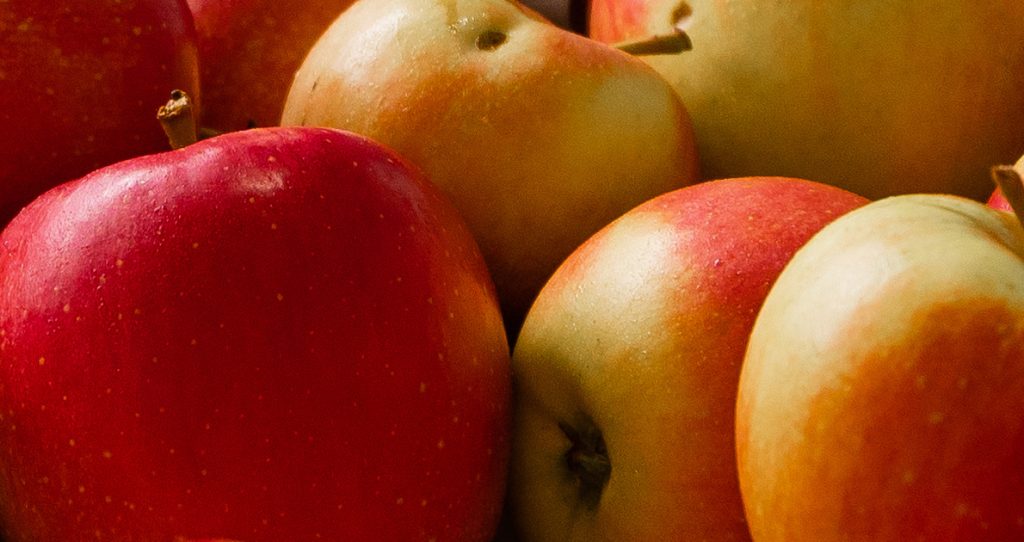
Does washing apples before sorting make sense?
When it improves quality and when it creates technological issues
Washing apples before sorting may seem like a natural step – a clean fruit is easier to evaluate visually and looks better in the final packaging. In practice, however, the decision to wash should depend on specific technological conditions rather than being treated as a standard procedure.
In some cases, washing improves sorting accuracy, while in others it reduces process stability and increases the risk of damage.
When washing apples makes sense
Washing is justified primarily when the fruit surface interferes with quality assessment or affects sorting system performance.
- heavy contamination (soil, dust, harvest residues)
- chemical residues or surface deposits
- uneven surface affecting optical analysis
- high quality requirements (export, premium retail)
In such cases, washing improves sorting consistency and reduces classification errors.
When it is better to avoid washing before sorting
In many situations, washing before sorting can create more problems than benefits.
- apples are freshly harvested and naturally dry
- fruit goes directly to sorting without long storage
- the sorting line is not designed for wet fruit
- there is a risk of condensation and slippery surfaces
Wet apples can cause handling issues on the line and increase susceptibility to mechanical damage. This is especially important in the context of reducing damage during sorting.
Impact of washing on sorting systems
Modern sorting systems use vision technology and quality sensors to analyze the fruit surface. Washing can have both positive and negative effects on their performance.
- clean surface → better defect detection
- moisture → light reflections and analysis disturbances
- water droplets → false readings
In many cases, the key factor is not washing itself, but proper preparation of the fruit before sorting. More on this here: how to prepare apples for sorting.
Risks associated with washing
Washing introduces additional variables into the process:
- increased surface moisture
- higher friction and sensitivity to bruising
- need for drying
- risk of reduced shelf life
Improper washing can shorten shelf life and directly affect the commercial quality of the fruit.
Alternative: washing after sorting
In many production lines, washing is performed after sorting, just before packing. This approach has several advantages:
- stable sorting conditions (dry fruit)
- better quality control
- lower risk of vision system errors
This solution is particularly effective in high-capacity and automated sorting lines.
Impact on apple shelf life
Washing can affect shelf life, especially if it is not combined with proper drying and temperature control.
More about shelf life optimization: how to increase apple shelf life after harvest.
Summary
Washing apples before sorting is not a universal solution.
- it makes sense for dirty fruit and high-quality markets
- it can negatively affect the process in unsuitable conditions
- in many cases, washing after sorting is a better option
The final decision should depend on process organization, raw material quality, and sorting technology.
Examples of modern solutions:
fruit sorting machines