


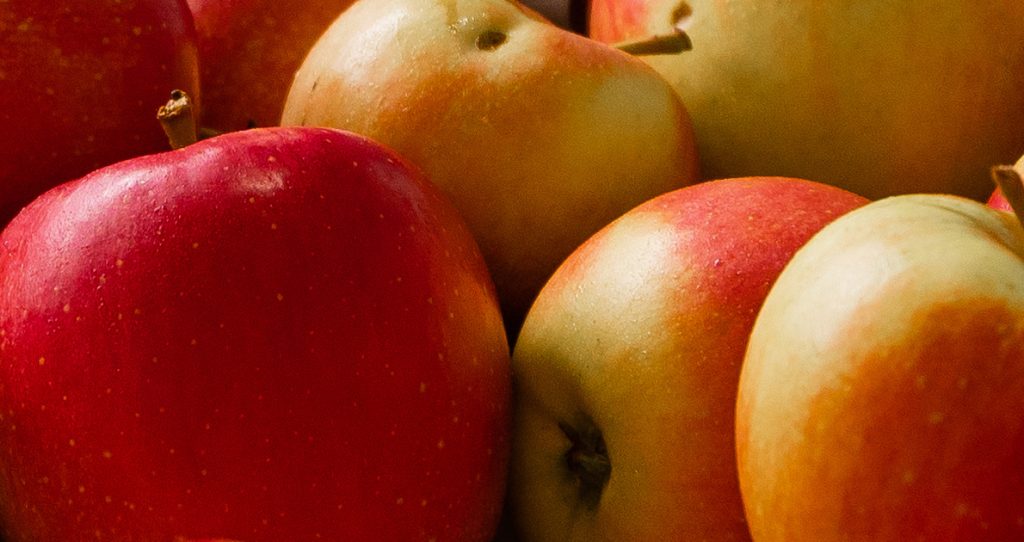
How do different apple varieties affect sorting settings?
Why one sorting configuration does not always work for every apple variety.
In modern apple sorting systems, not only productivity matters, but also the ability to precisely adjust settings for a specific fruit variety. Apples differ in color, skin structure, sensitivity to damage and the way they reflect light, all of which directly affect the operation of the vision system.
This means that settings working correctly for one variety may produce unstable results for another fruit batch. That is why modern fruit sorting machines allow separate sorting programs to be created for different varieties and customers.
Differences in color and skin surface
One of the biggest differences between apple varieties is the appearance of the fruit surface. Some varieties have a uniform color and smooth skin, while others naturally develop discoloration, matte surfaces or russeting.
For humans, these features are easy to recognize, but a vision system analyzes images based on contrast, brightness and surface changes. As a result, varieties with irregular coloration often require different camera and lighting parameters.
With incorrect settings, the system may react too aggressively to natural skin features or, on the contrary, fail to properly detect real quality defects.
The importance of gloss and light reflection
Different apple varieties reflect light differently. Fruit with a shinier surface may generate stronger reflections, which can influence image analysis.
For this reason, system configuration often requires adjustments to:
- lighting intensity,
- camera settings,
- image contrast levels,
- surface defect detection methods.
In practice, changing the apple variety may require quick parameter corrections even if the mechanical part of the sorting line remains unchanged.
Why do varieties differ in sensitivity to damage?
Not all apples react the same way to transport and sorting. Some varieties have firmer skin and tolerate intensive line operation better, while others show bruises and pressure marks much faster.
This affects, among other things:
- acceptable sorting speed,
- fruit feeding methods,
- brush and conveyor settings,
- fruit separation intensity.
For more delicate varieties, reducing mechanical damage before the quality classification stage becomes especially important. More practical information about this topic can be found in the article how to reduce apple damage during sorting.
Separate programs for different varieties
In practice, most modern sorting facilities process multiple apple varieties during the season. Manually changing every parameter for each new fruit batch would be time-consuming and increase the risk of mistakes.
That is why sorting systems allow ready-made configurations to be saved for specific varieties. The operator can quickly switch programs and launch settings adapted to the currently sorted fruit.
This improves sorting stability and reduces problems caused by using universal settings for all apples.
The impact of storage conditions
Even the same variety may behave differently depending on storage conditions. Important factors include:
- storage temperature,
- humidity,
- storage duration,
- fruit maturity level.
These factors change the fruit surface appearance, gloss level and visibility of certain defects. As a result, sorting parameters often require minor corrections even within the same variety.
Why is regular parameter control important?
In modern sorting, the goal is not to create one universal program for every situation. Maintaining stable and repeatable results for a specific fruit batch is much more important.
For this reason, operators should regularly monitor system performance and adjust settings when necessary according to the current variety, fruit quality and customer requirements.
The overall operation of the system and fruit parameter analysis are described in more detail in the article how does an apple sorter work.
Summary
Different apple varieties require different sorting settings because they differ in color, skin structure, gloss and sensitivity to damage. Proper adjustment of operating parameters helps maintain stable sorting quality and reduce problems related to incorrect fruit classification.
The ability to create separate programs for specific varieties is now one of the key features of modern apple sorting systems.